
Last Updated on September 21, 2026
When I started traveling a decade ago as a young solo female, safety was my biggest priority to keep myself comfortable in so many new and unfamiliar places.
Prior to my first solo trip abroad, I had never been out of the country, and with the US media feeding me the “US, good; rest of the world, bad” type of rhetoric all my life, I questioned if I would feel safe traveling anywhere in the world.
But now, ten years and dozens of trips around the world later, I know that the world isn’t as scary as people make it out to be, but that doesn’t mean you shouldn’t take precautions.
I usually always have the pre-flight butterflies before any trip I go on, but as my Taekwon-do instructor always said, “you need to put the butterflies into formation“.
These are all the practices and solo travel safety tips I’ve picked up from traveling across South America, Europe, Asia, Mexico, and even living in a major US city. I’m passing them onto you so when your plane lands in an unfamiliar place, you are prepared (butterflies in formation).
Here’s everything I do to stay safe as a solo female traveler.
This post may contain affiliate links for the products I mentioned, but as always, all opinions are my own. I make a small commission, at no extra cost to you, when you make a purchase or booking through these links. This helps to support this space and keep me blogging, which I am so extremely thankful for.
Research your destination
Getting familiar with local laws, scams, customs, safe neighborhoods, and transport for the country you’re visiting should be your first priority when planning solo travels.
This helps me feel familiar with the culture so I know what I can expect to encounter whenever I arrive in a new country. It also helps me be more discerning when people approach me or when I’m in specific situations.
Common scams and safety risks
Things like pick-pocketing are risky everywhere, but some countries have their own scams you should be looking out for.
When I was researching my trip to Istanbul, I was warned about the “shoe shine scam” where a man will approach you and “drop” his shoe shining brush, and if you pick it up, he’ll insist on cleaning your shoes for free, then do a 180 and demand a payment.
Had I not known about that, I would have been polite and picked up the brush, because it’s the friendly thing to do, but because I researched, I continued walking and avoided an unwanted interaction.
Watch videos and read blogs
This helps me visual the place that I’m visiting to get a good idea of neighborhoods and familiar landmarks. I also like to use Google street view to see what the area around my hostel is like.
Choose the right accommodation
If you’re traveling on a budget, it can be tempting to book the cheapest option, but it’s worth fluffing your budget for accommodation a little more to have a well-rated place in a safe neighborhood.
Sometimes the cheapest spots are cheap for a reason, like they’re in an unsafe area or they to make the price competitive to get bookings. I always look for reviews from other solo female travelers since they tend to look for the same things.
Always check the neighborhood of your accommodation and use the filter tool to only see stays with a minimum of 8-stars. Sometimes I even bump it to 9 depending on the city.
I will never skimp on my travel budget when it comes to accommodation. Spending a little more for comfort and safety is a no-brainer.
Book all-female dorms in hostels
If you’re staying in a hostel, make sure it has female-only dorms. On the off-chance I will stay in a mixed dorm, but I always prefer to be with all women. I’m sure we all do.
Some hostels don’t offer this, so double-check before you finalize your booking.
Bring locks
This is another helpful tip for hostelers. They usually have lockers to lock your things in, but I always lock up all my bags with luggage locks before I leave the dorm for the day.
I’ve never had anything stolen before, but I have always been safe, rather than sorry, when it comes to my belongings. Female dorms are usually friendly, but remember that you’re meeting these people for the first time and you never know.
Don’t tell people where you’re staying
I’ve gotten this question from other travelers but also from extremely nosy men, and I almost always keep this information to myself unless I know I can trust the person.
If I want to answer, but don’t want to give all the details, I will usually pick an adjacent neighborhood or just say something vague like “oh, nearby”.
If they keep pushing (usually the nosy men), I will actually just lie and tell them the name of a random hotel.
Have copies of important documents
Your driver’s license, passport, and other important documents are some of the most crucial things to take on a trip, especially abroad. In the event that you lose any of these things, you’ll need some way to identify yourself to get replacements.
Scan and store digital copies
Keep these in a secure location you can access from your phone or laptop like DropBox or Google Drive.
I’ll never forget seeing this poor guy get on my flight in the Philippines after losing his wallet and getting issued one of those neon-colored emergency passports. It does happen. He looked absolutely baffled. Now imagine being in that situation without your passport number and access to money.
Consider legal documents for long trips
I’ve never done this before, but some long-term travelers like to upload a power of attorney, healthcare power of attorney, and a living will in the same place as their digital documents just incase they lose their life or if someone has to step in and make decisions regarding their life.
I think that it’s a bit overkill for me, although you never know what will happen, so do what you’re most comfortable with.
Cover your trip with travel insurance
Travel insurance is the most important thing to have to travel safely.
Insurance covers you for any physical and financial risks that can happen while traveling like motor accidents, broken limbs, hospitalization due to food poisoning, cancelled flights, and even theft.
However, what’s more important than having insurance is understanding your policy. A lot of people buy insurance thinking they have a blanket policy, which isn’t always the case. Luckily, I have an entire guide to travel insurance that will help you choose the right policy.
I stay covered mostly worldwide with the Nomad Insurance Essential Plan from Safety Wing, but if you only need coverage for certain dates, they have that too, which you can get. cost estimate for below.
Because you can get coverage for as little as $2.40 per day, you should absolutely be factoring that into your travel budget when you’re saving for your travels.
Plan the first 24 hours of your trip
Arriving in a brand new, unfamiliar place is already a shock to the nervous system, so to give myself a comfortable arrival, I always plan and research the first day, starting from when the plane lands.
This usually includes my accommodation, a transfer from the airport (or public transport options), and researching nearby grocery stores and restaurants.
You don’t need to plan everything down to the minute, but knowing how I’m going to get to where I need to go, where I can get food, and having a lay of the land help me feel a lot more comfortable in a new place.
Including transport
At my big age of 27, soon to be 28, there’s nothing better than landing from a red-eye flight and there being someone there to pick you up and take you to your accommodation.
GetYourGuide has safe and private airport transfers in a bunch of different cities around the world, so that’s always the first place I look for a reliable ride. If not there, hotels and other accommodations usually offer airport pick-up services, so make sure you ask about it and organize it before you fly.
If my flight isn’t super long and I know I can arrive somewhere feeling alright, I’ll give public transport a go, but I really research and make sure I know exactly what to look for and where to go.
These days, you can find a lot of helpful guides on blogs (like mine!) and even on Instagram and TikTok.
And plan to arrive during the day
Anytime I am searching for flights, I always double-check that my arrival is during daylight hours.
You’d be surprised how many smaller regional flights can have you landing at the airport at 11 p.m. or 1 a.m., when there are minimal employees around and public transport isn’t running.
The latest arrival I tend to book is 3 p.m. if sunset is around 7 or 8 p.m., which gives me 4-5 hours to work with once I land.
Wherever you’re going, make sure you give yourself plenty of time to get to your accommodation. Booking an earlier arrival time will also cover you if your flight gets delayed, so that’s another benefit.
Leave your travel plans with someone you trust
As nice as it is to run off to an exotic destination and forget everything back home, it’s important that someone back home stays updated about your travels.
Send regular check-in updates
Even if it is a quick message telling them when you left, where you’re going, and when you get home, keeping those small updates is incredibly important in case you get lost, or worse. I like to send photos or a voice note on WhatsApp to my partner and my family.
Give them copies of your documents
Whoever you keep updated should also be the person that has hard or digital copies of your important documents since they will know all the details of your trip and have access to all of your information. This person should be trusted to take care of you if you are unable to do so yourself.
Keep your money in multiple locations
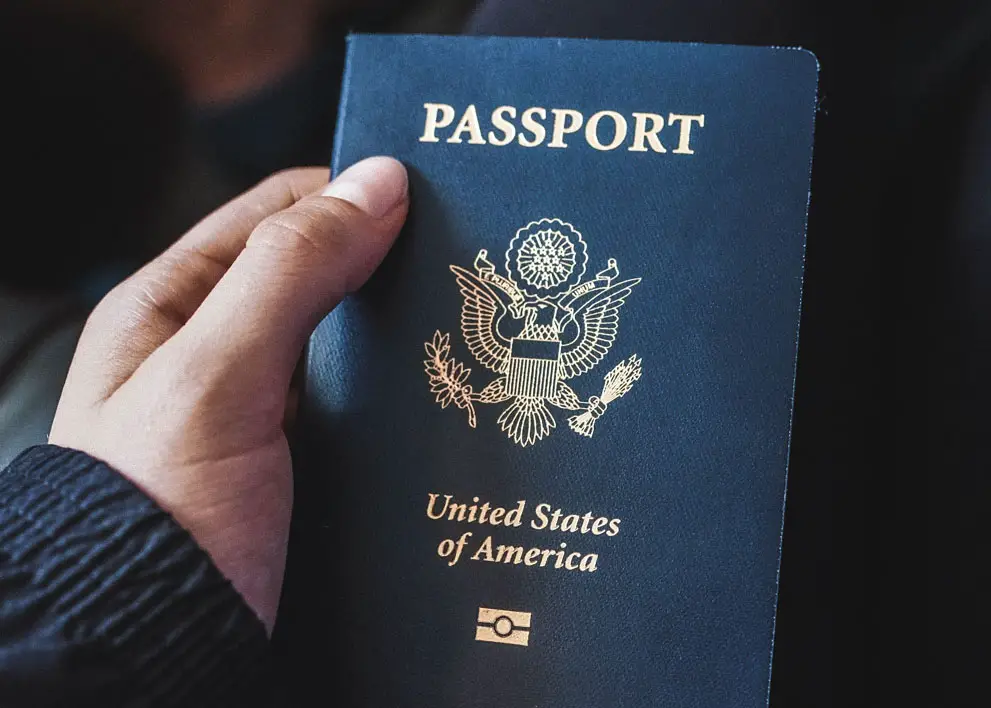
One of the biggest risks you can make while traveling is having your passport, other form of I.D., money, debit card, and credit cards all in one place.
Because if you were to lose the wallet or bag, or if it gets stolen, you’re going to have a hell of a time recouping from that while away from your home country.
Split cash and cards between locations
I divide my things in three places: my main travel purse (like the Uniqlo bag), my big backpack and in a decoy wallet. My daily bag has my two main cards, passport, and enough cash for the day, then my bigger backpack that stays locked in the hostel has my other cash in it.
This way if I ever lose one thing, I have enough redundancy to get around until I can recoup.
Carry a decoy wallet
In addition to the two bags, I also make a decoy wallet in the event that I get robbed. This is a really old school travel safety tip, but I think it can be useful.
Obviously I hope I am never robbed, but in the event that it does, I’d like to give myself a fair shot and give a robber an old ID and some expired cards rather than all my main financial resources.
I make sure the wallet looks like it’s used regularly, but it only has money I’m willing to part with and old cards I no longer use.
Be aware of your surroundings
I was sheltered and book smart growing up, but after living in Dallas, Texas for eight years, that city gave me invaluable street smarts.
Those street smarts have been invaluable to me on more than just streets. Here is a helpful article to look through for a ton of insight on staying safe in busy areas.
Download Google Maps offline
You’ll usually have service and access to maps, but incase you don’t, make sure you download the regions of the country you’ll be traveling around on your phone. Here are detailed instructions for downloading areas and using Google offline maps.
Walk with confidence
Before I go anywhere, I get my general route on Google Maps and once I have an idea of where I’m going, I walk like I know exactly where I’m going.
I check my route from time to time, but otherwise my head is not buried in my phone and I am aware of my surroundings.
Trust your intuition
Your intuition is your inner compass. Your inner knowing. It’s that small voice that guides you through life and it’s so important that you listen for it while you’re away.
Have you ever met someone or been in a situation where something seems off? You may not be sure why, but you just know that you need to remove yourself from the situation. That’s your intuition. A lot of the time mine looks like shutting down when I would otherwise be more outgoing.
A woman’s intuition has guided and protected us throughout history, and it’s the most important thing we have when it comes to being safe in this world. Tap in and listen to yourself.
Don’t share too much too soon
Travel is exciting, which means it can be very easy to rattle off your anticipated travel plans the moment someone asks, but be very mindful about who you share what to.
Be mindful of sharing things like exactly how many days you’re in a hostel, where you’re staying, where you’re going next, and things you plan on doing at exact times.
I don’t have issues sharing my plans with other solo female travelers, but I do with weird, nosy men that don’t need to be in my business. Girl, just lie to them. It’s fun.
Never post your live location
It’s tempting for all of us to post ourselves living our best lives in real-time, but never post exactly where you are in your Instagram stories, reels, or on TikTok.
You never know who is watching these days, and so I recommend staggering your stories by a few days, depending on the pace of your trip.
If you arrive in Paris, and in three days leave to go to Milan, wait until you’re in Milan to be posting your Paris stories.
Watch your drinks
Of course, being sober is the best defense against getting your drink spiked, but if you meet some friends and want to have a fun night out, look out for each other and leave situations as soon as you feel uncomfortable.
Watch your drinks being made. Watch them get handed to you. Watch them while you dance. Always have an eye on it. Drugging happens a lot faster and indiscreet than you think.
Start exploring early and come back early
No matter where I am in the world, even back home, I never walk around alone at night or when it’s dark out.
There’s increased risks at night. That’s pretty unanimous everywhere, and I always err on the side of caution no matter what.
If you do want to go out at night, try to find some girls from your hostel that want to go out as well. Strength is always in numbers, but especially in an unfamiliar place.
Avoid flashing your valuables
This largely depends on where you’re going.
If you’re in any major European city where pickpockets are rife, I would avoid having anything flashy on you, but having a little bit of jewelry on in most destinations is fine.
Research where you’re going and if pickpockets are a common scam. That will usually tell you if you need to leave some of your favorite pieces behind.

Stay connected
Arriving and staying connected anywhere in the world immediately makes me feel safe incase anything goes wrong.
These days, the foundation for safety is having a powered phone, so I always have a power bank on me. Don’t bring just any ol’ power bank. You want one with strong and accurate charging power like this one.
Set up an eSIM before you leave
I use PangiaPass since I am traveling longterm, but most, if not all, other travelers stay connected using Airalo eSIMS.
They offer digital SIM cards in almost every country in the world for as little as $2 per day. I’ve used it before in both Mexico and Argentina with much success despite being in very remote areas of both.
These SIM cards need to be activated before you leave your home country in order to be valid so make sure you read the set-up instructions before you leave for your trip.
Physical SIM cards
Another tried-and-true alternative is to buy a physical SIM card at the airport. I’ve done this before in the Philippines and in Iceland. Once you get to your destination, there will be booths at the airport selling them. You have to take out your home SIM from your phone and install the new one.
What I like most about them is that they give you a local phone number so you can make local calls and texts. Depending on the country, the people at the airport may try to overcharge you, so do your research before choosing which route you take.
Also, if you are from the U.S. and have a iPhone 17 or newer, they no longer come with SIM card slots, which makes physical SIMs impossible.
Use a VPN
This is more for digital security than physical security, but since you’ll be connecting to a lot of questionable public WiFi’s, this will help keep your personal data protected from hackers.
I have a free VPN with Proton, but there are many good VPNs like SurfShark and companies like that, so do a little research and find one at your preferred price point.
Stop worrying about being polite
As a recovering people pleaser, exercising my ‘no’ has been the greatest gift to myself on my travels. Especially when it involves weird men that start asking you too many questions.
When I first started traveling, I thought that I needed to be polite and say yes to everyone, and that is not the case anymore.
When I was at the Blue Mosque in Turkey, this man from one of the shops nearby insisted that he showed me around, eventually taking me to his shop, and I stood firm and said: “No, I don’t need a tour and I prefer to explore on my own.”
Having boundaries and protecting yourself is not rude, it’s essential, as I’ve learned over the years. Of course, don’t be snarky, but you can politely decline and not abandon your own safety.
It was very difficult for me at first, but the more I said no, the easier it became.
More guides for your solo trip planning
10 Things No One Tells You About Solo Travel
How To Travel on a Budget (without feeling cheap)
What To Know Before Traveling Without Travel Insurance


Great tips for anybody! I’ve been in some dangerous situations in Rome and Costa Rica as a male solor traveler so tips for staying safe are critical.
I am glad you could apply them to your travels also! Staying safe is so SO important in enjoying a trip (:
haha absolutely loved this post! I can see myself in so many of these!
Yay! I am glad you enjoyed it (: I hope these help you out on your future travels!